Hotel Synesthesia
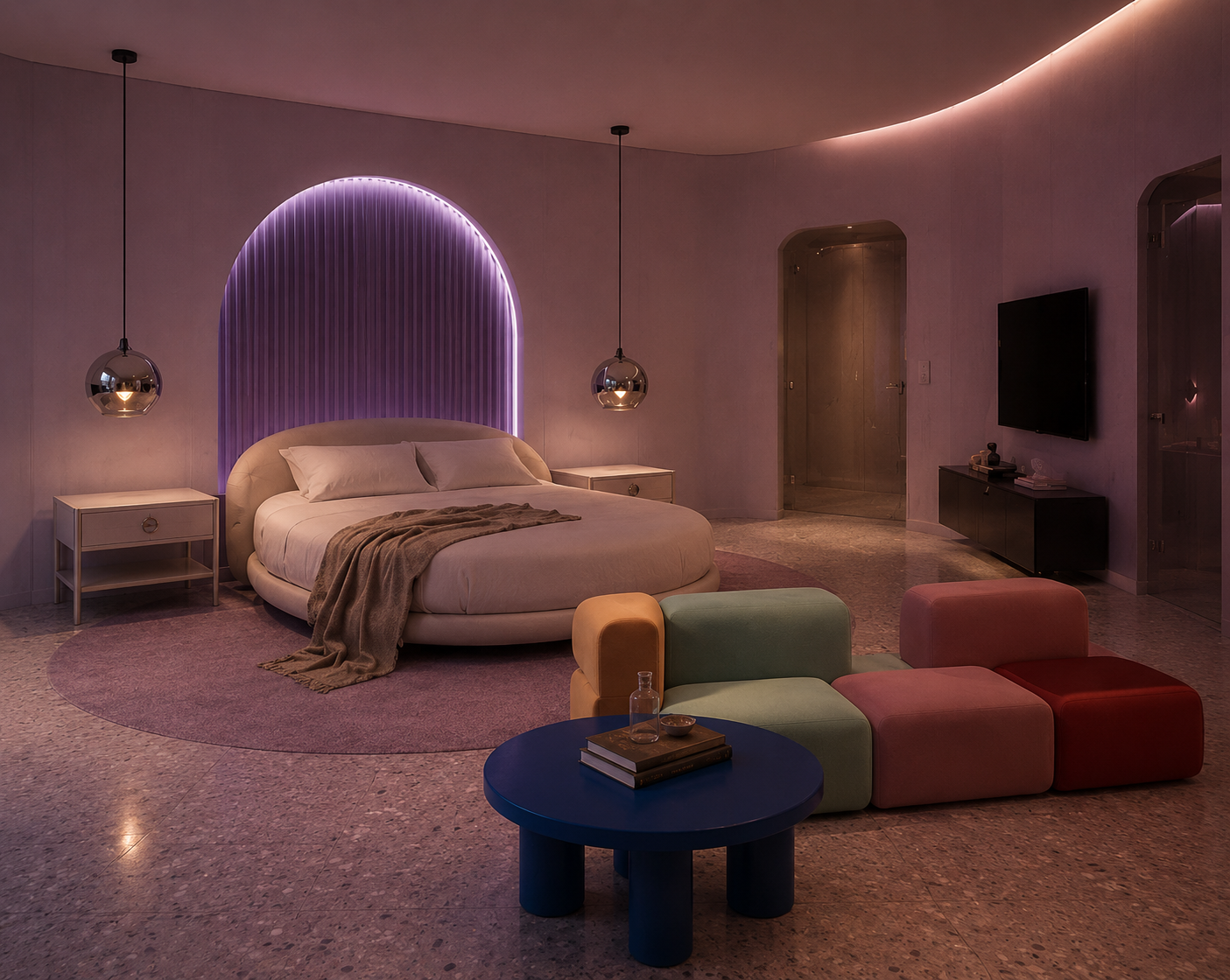
A hotel designed to be experienced, not just seen.
Hotel Synesthesia
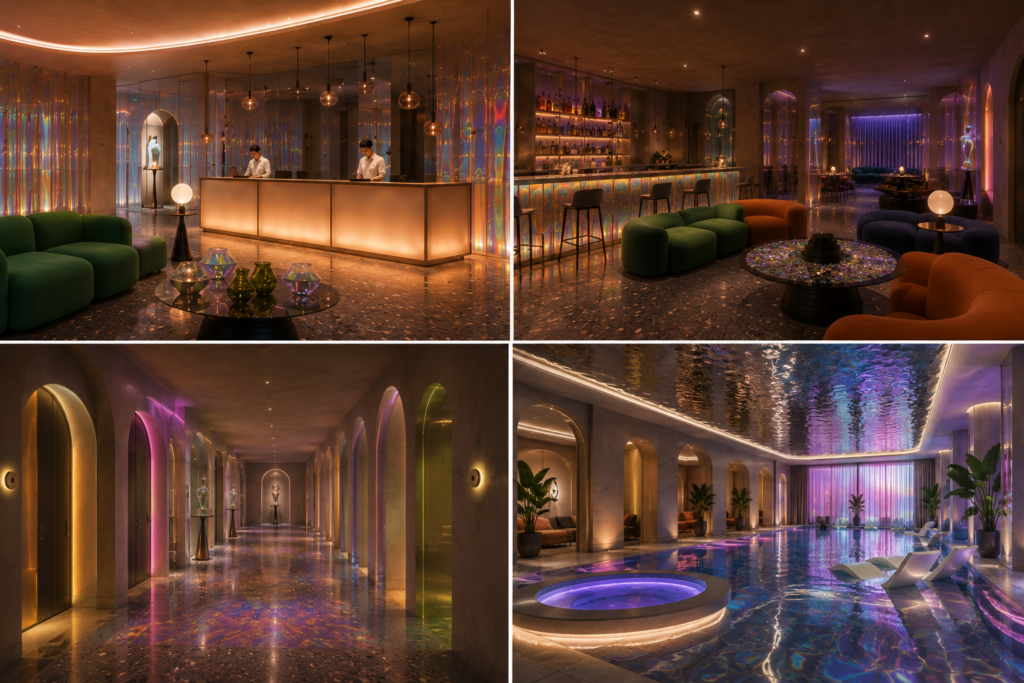
Hotel Synesthesia explores how interior design can engage the senses to create a more immersive relationship between people and space Moving beyond interiors designed primarily around appearance, the project considers how color, texture, light, material, objects, and interaction can work together to transform a hotel stay into an active sensory experience.
What if you could feel a space?
We often experience interiors visually first, but our perception of a space extends far beyond what we see. We notice how materials feel, how light changes an atmosphere, how objects invite us to interact, and how different combinations of sensory information influence the way a place makes us feel. HotelSynesthesia began with a question: What if a hotel could be designed around the experience of the senses?
From object to environment
The project builds on my previous explorations of sensory design at the scale of furniture and objects. With Hotel Synesthesia, those ideas expand into an entire interior environment.
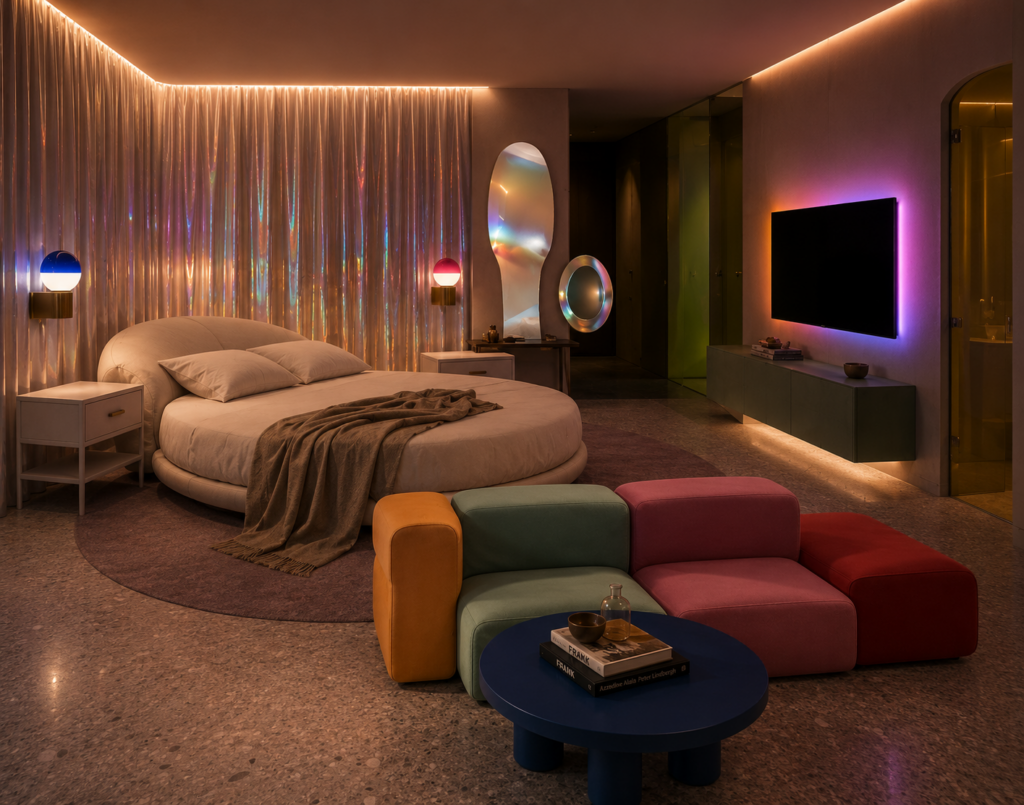
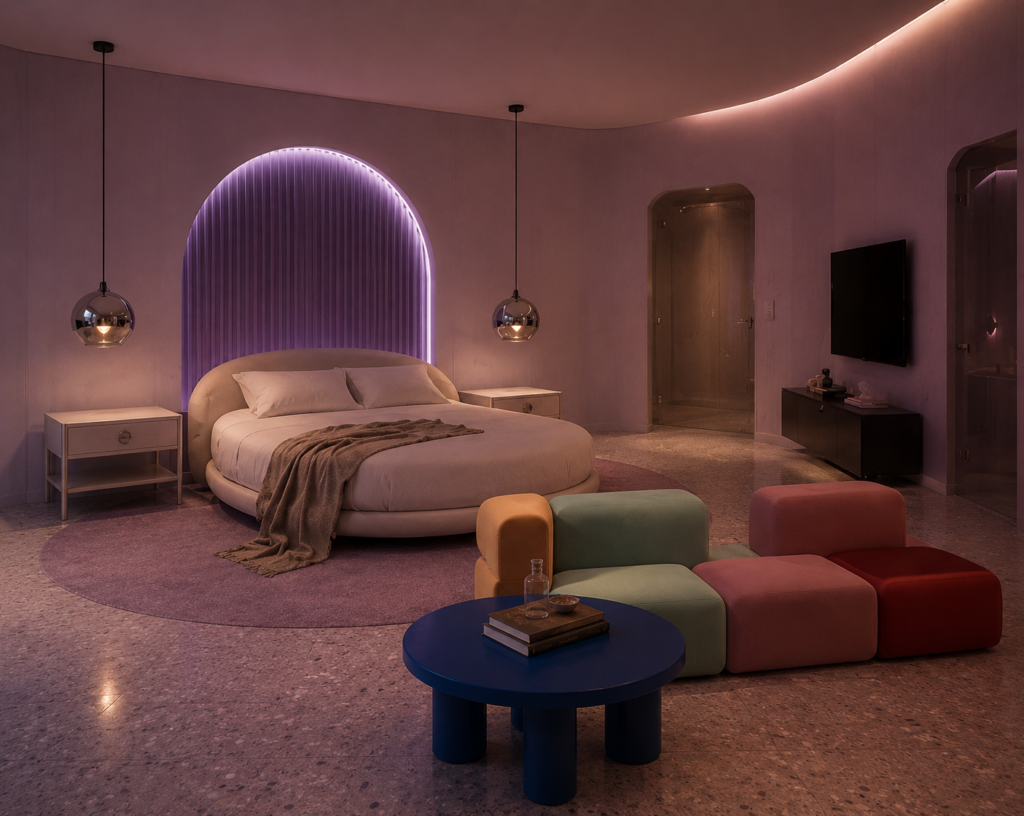
Furniture, lighting, surfaces, color, and spatial elements become part of the experience rather than simply decoration. Each element is considered for both how it looks and how a guest might feel, touch, perceive, or interact with it.
Designing for the senses
The concept of synesthesia — the connection or overlap between different sensory experiences — became a starting point for developing the hotel’s visual and material language. Contrasting textures, expressive forms, atmospheric lighting, color, and tactile elements are layered throughout the interiors to create spaces that feel stimulating and unexpected. Rather than following a single decorative style, the design uses sensory contrast to give each space its own character
The Rooms
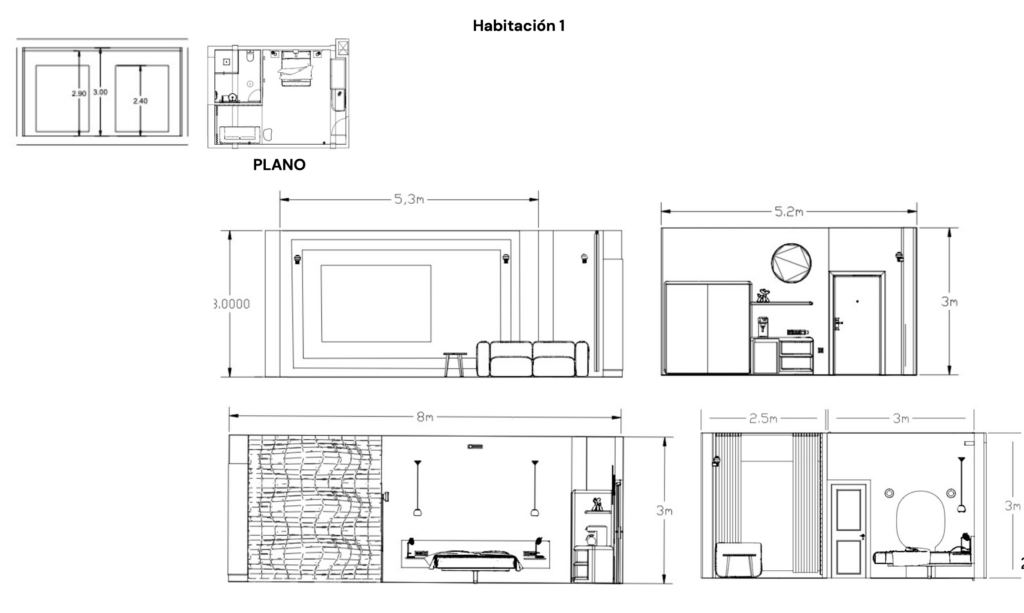
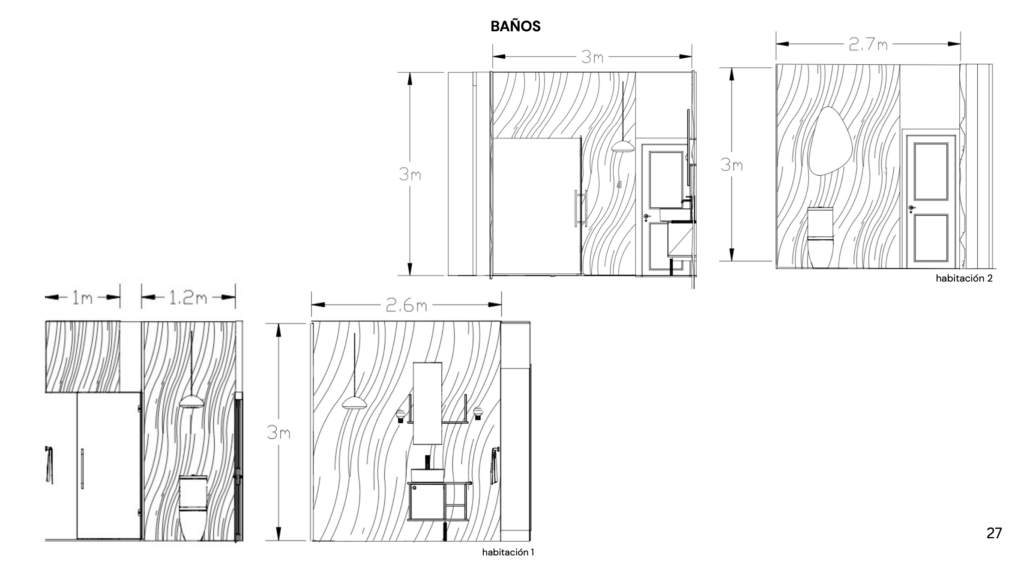
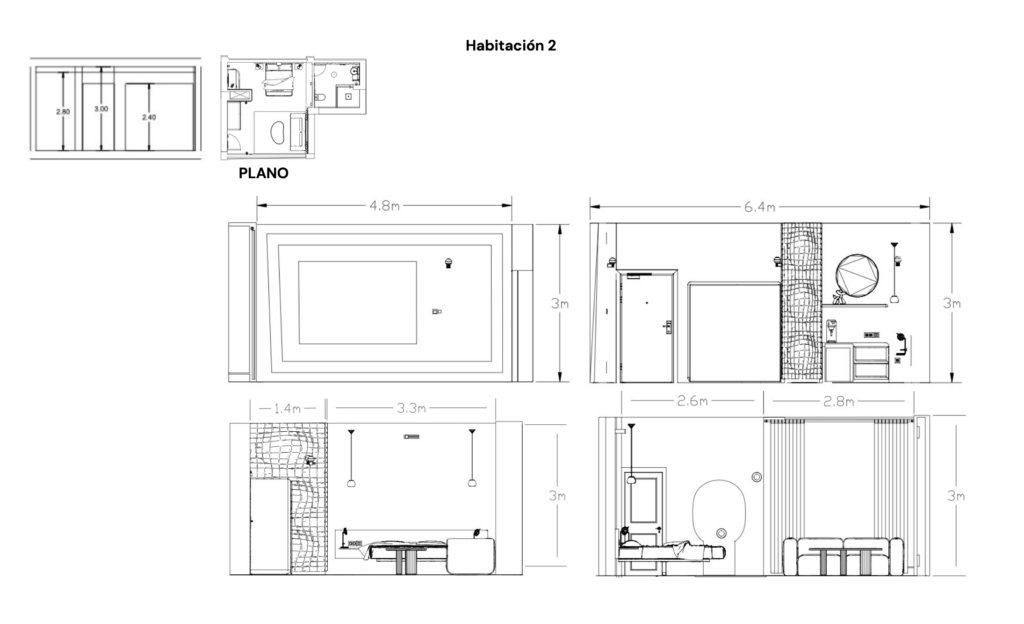
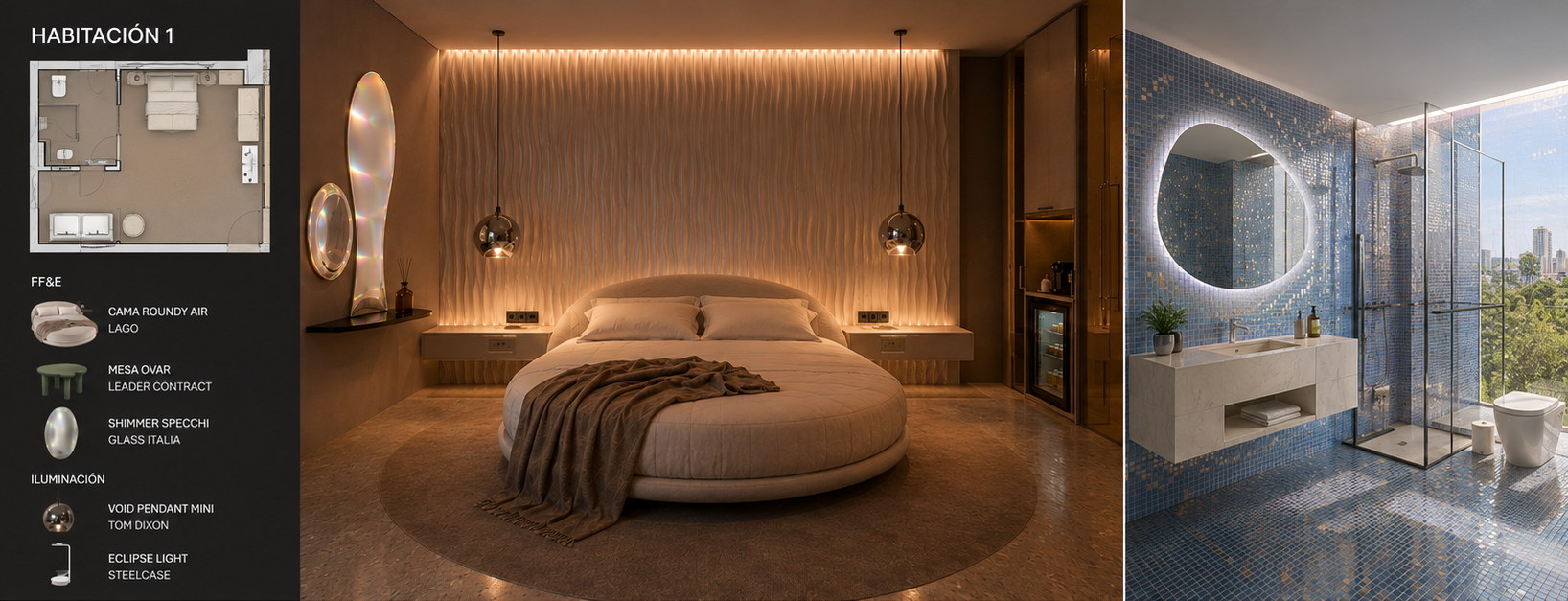
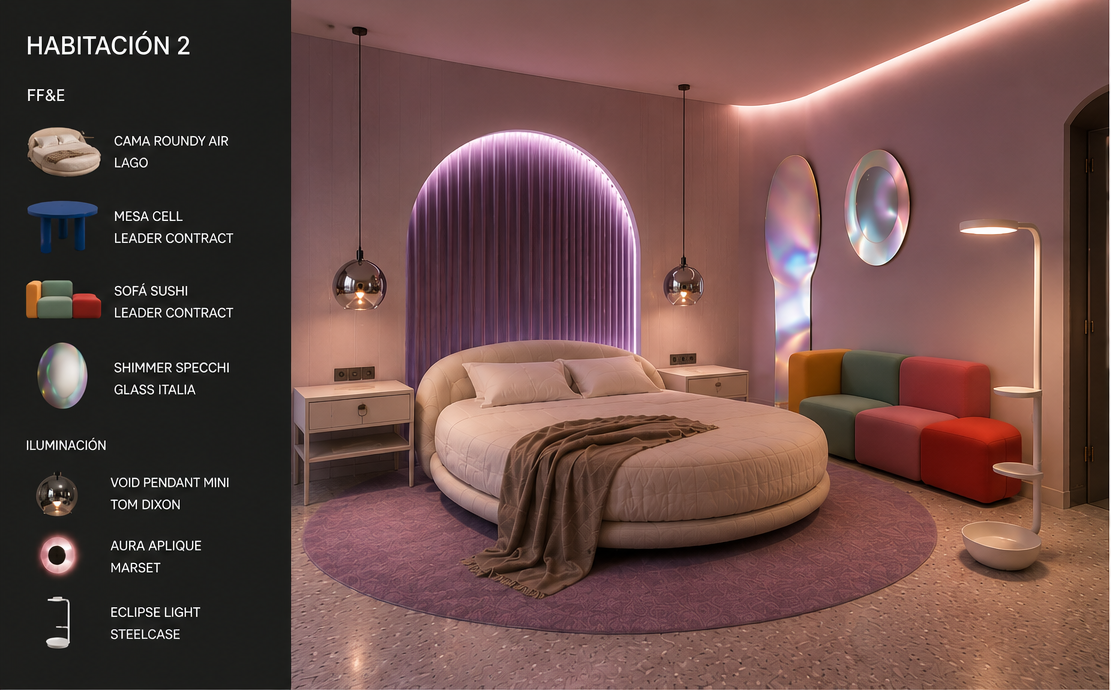
The rooms were designed as immersive environments where furniture, materials, lighting, and architectural elements work together. Two room concepts explore different combinations of color, texture, form, and sensory interaction, creating distinct atmospheres while belonging to the same Hotel Synesthesia identity. Instead of acting only as a place to sleep, each room encourages guests to look closer, touch, explore, and discover the space around them.
A hotel room becomes an experience of its own.
Products come to life
One of the central ideas behind Hotel Synesthesia was creating an interior where product and furniture design could become part of the architecture. Custom objects and expressive furniture are integrated into the rooms rather than added as an afterthought. Their forms, materials, and interactions contribute directly to the atmosphere of the space. Blurring the boundaries between product, furniture, and interior design.
Creating Hotel Synesthesia
The project developed through research, concept exploration, spatial planning, material and color studies, furniture development, 3D modeling, and visualization. Throughout the process, decisions were guided by experience rather than appearance alone:
Furniture, lighting, surfaces, color, and spatial elements become part of the experience rather than simply decoration. Each element is considered for both how it looks and how a guest might feel, touch, perceive, or interact with it.
What does this space make you notice?
What does it invite you to touch?
How does it change the way you feel?
Hotel Synesthesia
Hotel Synesthesia proposes hospitality as something more than providing a beautiful place to stay. It imagines the hotel as a world that can be explored through the senses — where interiors are not simply observed, but actively experienced.
Don’t just stay in the space. Feel it.